

In an industry where electronic security projects require coordination across multiple areas, Plettac Electronics found in Odoo a key tool to structure its operations. The Argentine company, specialized in electronic security engineering for public institutions, implemented the ERP to centralize critical processes such as purchasing, inventory, projects, and commercial management. This case shows how digitizing processes with Odoo allowed the company to professionalize its operations and improve internal coordination in complex projects.
About Plettac Electronics
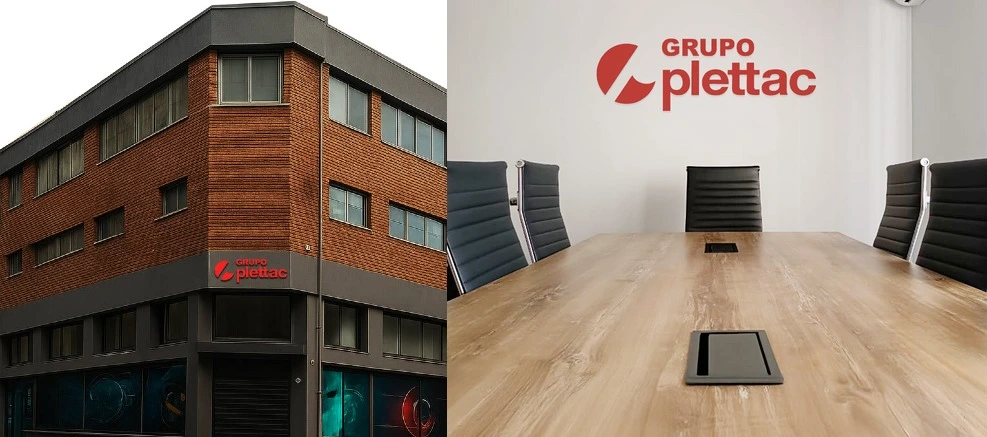
Plettac Electronics is an Argentine company dedicated to electronic security engineering projects, headquartered in Buenos Aires and operating across the country. Its work focuses on the design, development, and implementation of high-security electronic solutions such as Smart City solutions, video surveillance systems, access control, vehicle tracking and violation management.
Currently, the company is experiencing sustained growth, with over 50 employees, including internal and external staff. Its client portfolio is primarily composed of public entities, including provincial and municipal governments, as well as national organizations.
One of Plettac’s distinguishing features is its evolution from a technology integrator to a developer of proprietary solutions. Over time, the company began developing in-house hardware and software, adapting technologies to the specific needs of each client and creating its own products that complement its various electronic security projects.
The company’s history also reflects significant business evolution. Originally linked to European capital, the company passed into the hands of its current partners in 2011, when they acquired 100% of the local operation and decided to focus on the Argentine market.
"If I had to sum it up, we are an Argentine company with over 15 years in the market, dedicated to electronic security engineering."
Fragmented Operations Before Implementing Odoo

Before adopting Odoo, Plettac managed much of its operations through Excel spreadsheets and manual processes. Information was distributed across multiple tools, making it difficult to have a complete view of the business.
Sales and customer follow-ups were handled manually, while documentation related to bids and invoicing was stored physically. In some cases, even financial information required manual checks to answer basic questions about operating costs.

"We literally managed everything with Excel spreadsheets that we kept modifying. Customer follow-up was very homemade, and invoices were binders hung on a wall."
This way of working created several operational problems. Documentation required for bids could be lost or take time to locate, and key business information was not available in real time for different teams.
Additionally, the company used various separate tools for different functions, including software for project management, invoicing, and internal tasks, which further complicated coordination between areas.
From Isolated Tools to an Integrated Operation with Odoo
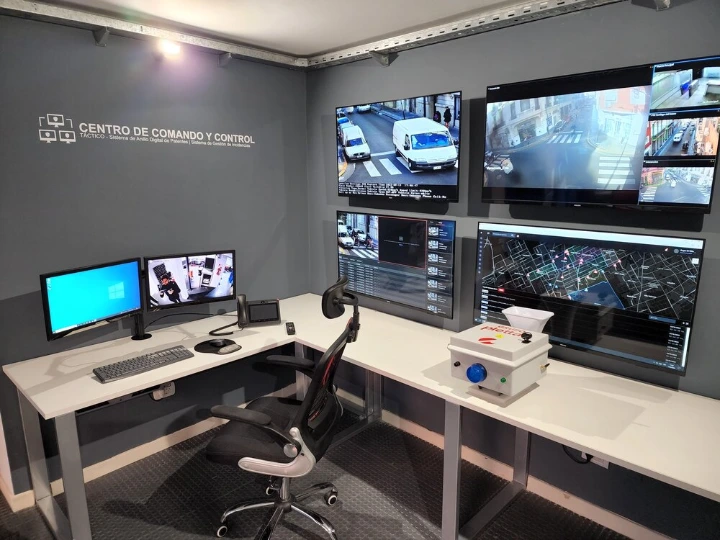
The search for a solution began when the company decided to professionalize its management and evaluate different ERP systems available on the market.
The first contact with Odoo came through an informal recommendation. Later, the team led by Juan Sanchez, Business Process Manager, analyzed several alternatives before deciding on Odoo.
"We evaluated several systems. Odoo convinced us because of its ease of use and the integration between the different modules."
The ability to manage multiple processes from a single platform was one of the key factors in the decision.
How Odoo Centralized Project and Inventory Management
Implementation began with the modules considered essential for the company’s daily operations: purchasing, sales, and inventory. Before Odoo, inventory was managed in a spreadsheet, limiting visibility over the status of equipment used in projects.
With Odoo Inventory, the company was able to centralize control over the equipment and materials needed for its electronic security projects. This is especially important in a business where the availability of hardware and components directly affects project execution.
Another significant change occurred in purchasing management with Odoo, which now allows different areas to have visibility over orders and materials in transit. Previously, for example, the inventory manager did not necessarily know that an order was being processed.
Industrial project management with Odoo also became a central component of the system. Through the Project module, teams can coordinate tasks and maintain visibility over the different stages of execution.
This change also impacted the preparation of bids, which is critical for a company that primarily works with public institutions. With centralized information, project teams can access relevant data from the start of an opportunity.
Commercial management with Odoo CRM allowed for better structured tracking of opportunities and relationships with institutional clients. This is especially important for projects requiring coordination between technical, administrative, and commercial areas.
Overall, the integration between purchase, inventory, CRM, and projects in Odoo allowed different teams to work with the same information.
"What we achieved with Odoo is that from the beginning to the end of a project, all teams involved can be informed in real time."
Beyond the operational impact, process systematization had important effects on the company’s organizational structure.
The availability of documented processes also facilitated the implementation and maintenance of the international ISO certifications held by the company.

"The implementation represented a 100% improvement in process times. Although the most important impact was the systematization of the company and the ability to structure its processes."
Next Steps for Plettac Electronics with Odoo

Currently, Plettac uses a wide part of Odoo’s application ecosystem and keeps the platform updated to its latest version. The company initially used the SaaS model but recently decided to migrate to Odoo.sh to gain greater flexibility in development and system customization.
This change will allow Odoo to be adapted to the specific needs of different teams within the company.
"The idea now is to customize the solution a bit more to meet certain requirements that the standard version does not cover."
For Plettac Electronics, adopting Odoo represented an important step in the company’s evolution toward a more structured and process-oriented operation. The integration of areas such as projects, purchasing, inventory, and commercial management improved internal coordination and created a technological foundation that supports the company’s growth.
If your company also manages complex projects, technical operations, or multiple operational areas, discover how Odoo can help you centralize processes, improve business visibility, and structure your growth. Contact Odoo today to learn how an integrated ERP can adapt to your organization’s needs.