There are defining moments in history when opportunities in the business world become competitive necessities.
It happened at the end of the 18th century, when James Watt perfected the steam engine: in the English textile industry, new machines could weave in roughly 135 hours what would have taken over 100,000 hours by hand. Craftsmen could no longer keep up with factories and had to adapt or disappear.
It happened again in the '90s, when the Internet went from novelty to indispensable tool: companies like Dell and FedEx began integrating it into their operations as early as 1995, gaining enormous advantages. Those who waited too long found themselves playing catch-up, only to discover that having an online presence had become as essential as having a phone number.
And today? Today, we're facing this acronym: ERP. But what does it actually mean? Why is digitalising business processes no longer optional? What do the latest market numbers and analyses tell us? Let's find out.
The numbers tell a clear story
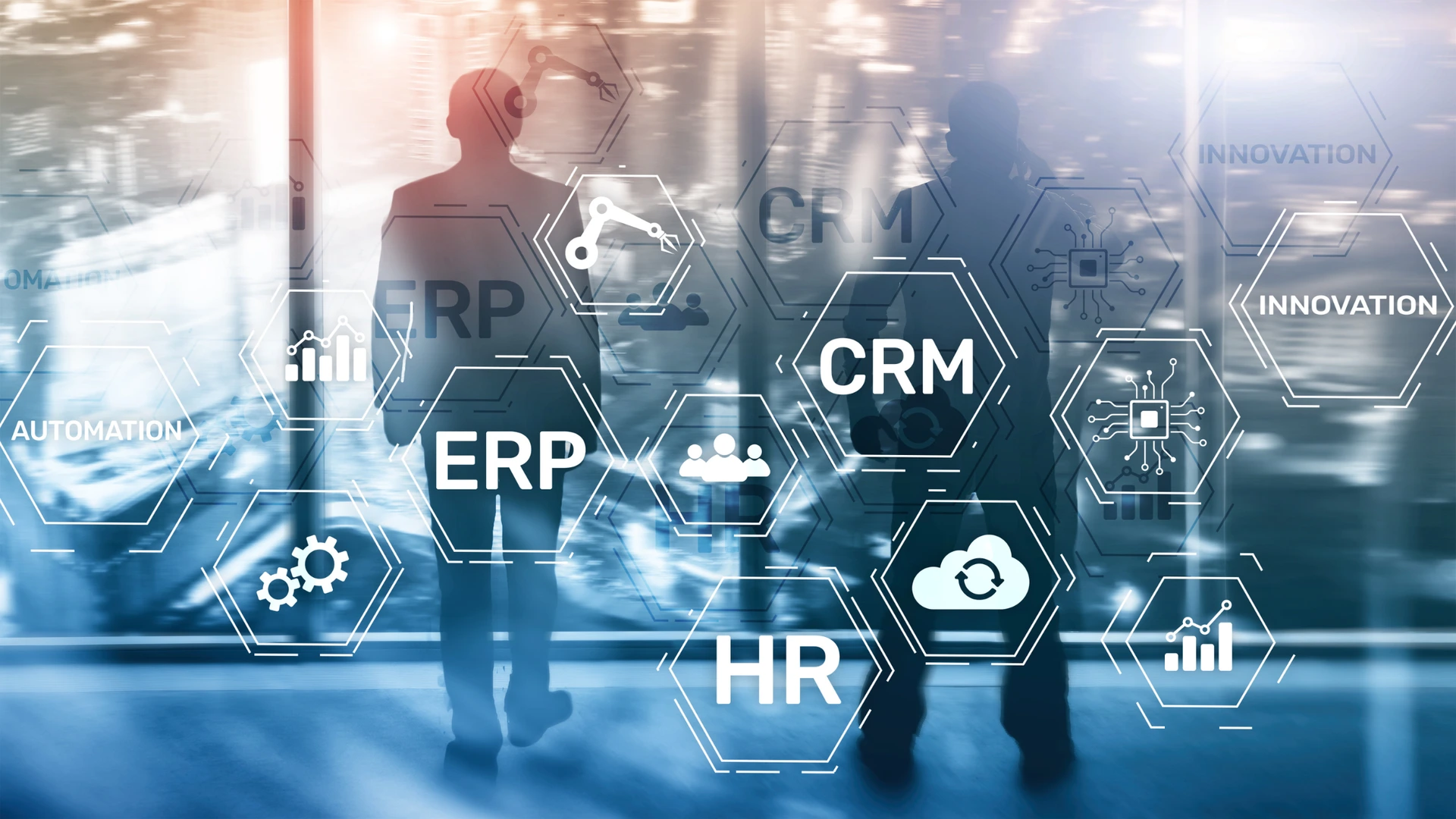
ERP stands for Enterprise Resource Planning — in short, a system that integrates and manages all core business processes on a single platform, from accounting to warehouse management, from sales to HR, from production to procurement.
According to the Italy ERP Software Market report by Next Move Strategy Consulting, the Italian ERP software market was worth $1.93 billion in 2024 and is expected to reach $4.22 billion by 2030, with an annual growth rate of 12.86%. Essentially, a doubling in six years.
This is a highly explainable phenomenon, because behind these numbers lie concrete changes in the way Italian businesses work — and want to work. Understanding these changes means understanding where the most competitive companies are heading, and what you can do to avoid falling behind.
The trends driving growth
The growth of the ERP market in Italy is not an isolated phenomenon, but the result of several mutually reinforcing factors:
The PNRR as an accelerator
The first driver of this growth is institutional. The National Recovery and Resilience Plan (PNRR) has made significant resources available to Italian businesses for digitalisation: between tax incentives, vouchers, and innovation funds, the message is clear. The time to invest in technology is now. Companies that move today have the wind at their back. Those that wait risk doing so alone — and at a much higher cost.
ICT companies fuelling demand
On top of this institutional push, there's natural market demand growing organically. Italy is the third-largest ERP market in Europe by size and one of the most dynamic in terms of growth, with the ICT (Information and Communication Technology) sector leading the way. According to a report by the International Trade Administration, the Italian technology market is worth between $70 and $100 billion and continues to expand. The more companies grow and scale, the more they need tools to keep everything under control in one place — and this directly fuels demand for integrated management software.
Construction: a sector on the move
Another significant — and perhaps less obvious — driver comes from the construction industry. According to UNACEA, the Italian market for construction equipment grew by 5% in 2024, with over 25,100 units sold. Larger worksites, more suppliers to coordinate, tighter budgets to manage: complexity increases, and so does the need for tools to handle it. At some point, Excel spreadsheets just don't cut it anymore.
The Internet of Things and new scenarios
All of this would have been out of reach for many businesses just a few years ago, when an ERP was still the domain of large enterprises with large budgets. Cloud solutions have changed the rules of the game: no servers to install, no heavy IT infrastructure, much more accessible startup costs. For an SME, this makes all the difference — and partly explains why demand is growing so rapidly even among smaller businesses.
And the future promises even more. Next-generation ERPs don't just manage manually entered data: they connect directly to machinery, sensors, and warehouses. Thanks to Internet of Things (IoT) integration, it's possible to monitor production in real time, predict failures before they happen, and always have an up-to-date picture of what's going on inside the company. A level of control that, until recently, was unthinkable for a mid-sized business.
Taken together, all these innovations and cultural shifts paint a particularly favourable moment for Italian companies looking to "make the leap." The PNRR still offers incentives, the cloud has brought costs down, and the platforms available today are far more mature and user-friendly than in the past. Companies that invest now in a modern management system gain a real competitive edge: more streamlined processes, data always at their fingertips, and faster decision-making. Those who wait, meanwhile, are leaving space for their competitors.
Just as it happened with the steam engine and with the Internet, the moment when a technology shifts from opportunity to necessity always arrives — no matter how much we try to hold on to old ways. And when that moment comes, those who haven't moved in time find themselves playing catch-up.
The first step is simpler than you think
Despite this favourable landscape, many SMEs — especially in manufacturing and construction — still struggle to take the first step. The most common reasons are implementation costs and the lack of in-house expertise to manage these tools. These are understandable concerns, but it's worth flipping the perspective: how much does it cost, every single day, to work with fragmented processes, scattered data, and decisions made without a reliable overall picture? Often, the cost of not changing is higher than the cost of changing.
A good ERP is not just management software: it's the system that holds the whole company together, from accounting to warehouse management, from sales to HR. One single place where everything is connected and decision-makers always have the information they need, exactly when they need it.
The market is growing, the trends are clear, and the tools are there. But most importantly, the context is favourable: public incentives, mature technologies, accessible costs… the window of opportunity is open right now — and as history teaches us, it doesn't stay open forever. Companies that move first not only optimise their processes, but build a competitive advantage that's hard to close for those who start later.
At this point, the question is no longer whether to adopt a modern ERP, but when to start — and which solution is truly the right fit for you.
Our solution for Italian SMEs
Our answer to all of this has a name — a bit tricky to pronounce, perhaps, but very simple to use in your day-to-day work life: Odoo!
Odoo is a fully integrated, all-in-one ERP platform (available for free) designed to adapt to the needs of businesses of any size and sector. From warehouse management to CRM, from accounting to e-commerce, Odoo brings everything together in a single, modular, scalable, and easy-to-use system — especially for those SMEs that don't have extensive technical expertise or in-house developers.
Want to discover how Odoo can take your business to the next level? Book a free consultation with one of our experts!