

Location/Region: Barranquilla, COL
Industry: Integrated logistics solutions
Installed apps: Accounting, Inventory, Sales, Project, Invoicing, CRM, Planning
Company size: 50
Replaced software: World Office
Hosting type: Odoo Online

Custom, a Colombian business group specialized in comprehensive logistics solutions, has transformed its administrative and operational management with Odoo. From project-level financial control to process centralization, the company has improved the visibility of its operations and significantly reduced accounting delays. In this case, we explore how a company with a 100% operational focus found Odoo to be a key tool to support its growth and complexity.
About the Company
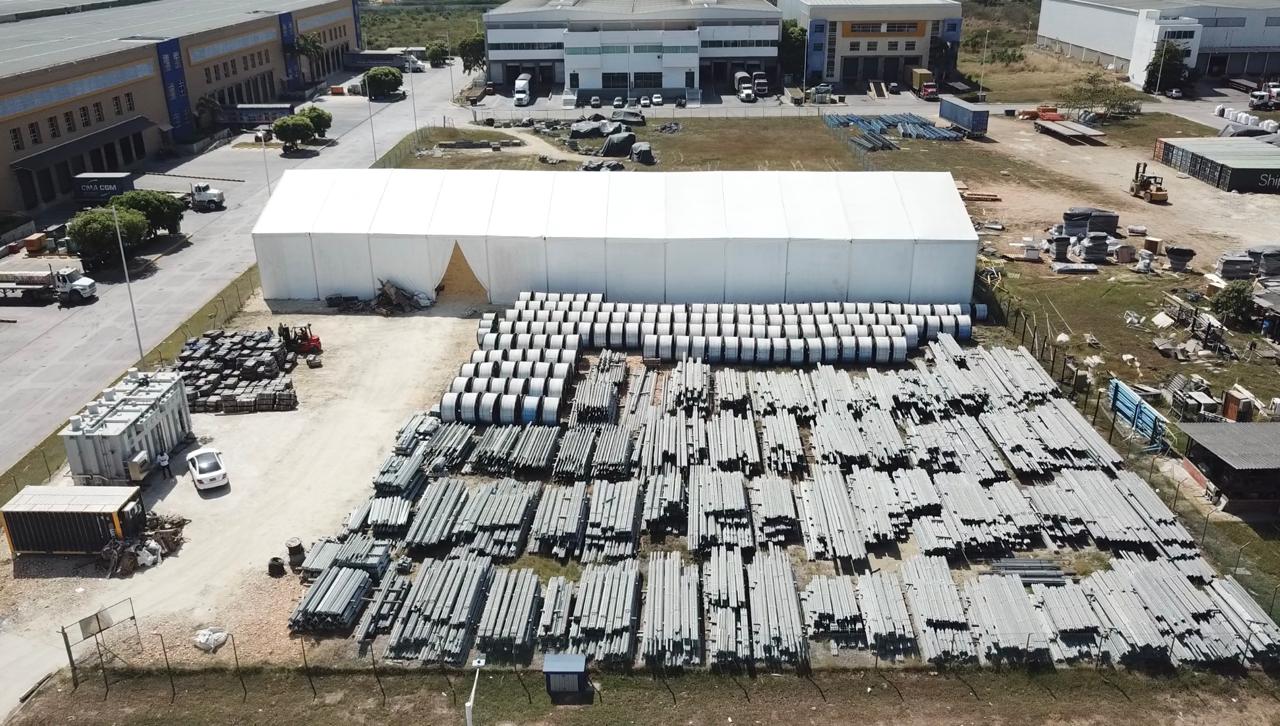
Founded in 2013 in Barranquilla, Custom is a group of four companies covering different links in the logistics chain: port operations, maritime agency services, free trade zone management, and an integrating unit that brings all these services together under a single offering.
Unlike many players in the sector, Custom does not subcontract its operations but executes them directly. This approach allows the company to maintain full control over its projects and offer comprehensive solutions to its clients, most of whom are multinational companies in the logistics and energy sectors.
The company has specialized in complex logistics projects, particularly in sectors such as renewable energy, oil & gas, Nearshoring, and international trade, where coordinating multiple services is essential.
"We don’t limit ourselves to selling services; we execute the operation from start to finish. That is the core of our business."
When operations depended on disconnected tools
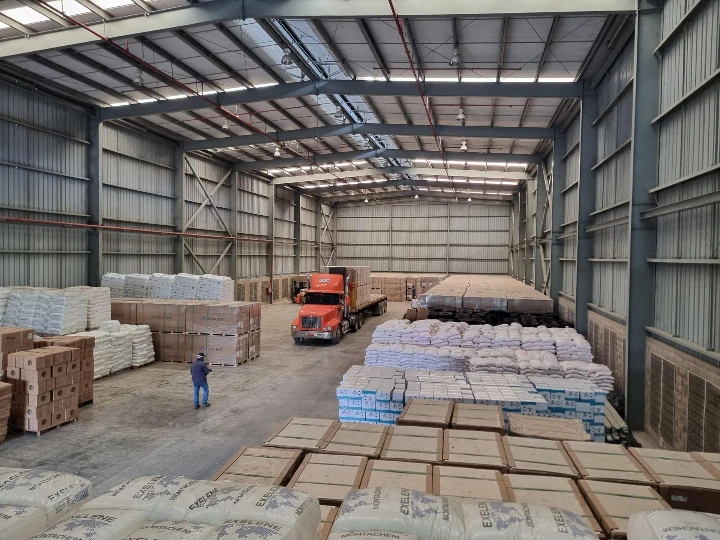
Before adopting Odoo, Custom faced significant challenges in administrative management, especially in accounting. They used a tool called World Office, which, according to Mejía Calle, was “extremely rudimentary” and too focused on technical accounting logic, making managerial decision-making difficult.
Additionally, accounting could fall behind by as much as six months, limiting the company’s ability to react to operational or financial deviations.
“Reports were reduced to lists of accounting entries that had to be transferred into Excel, without real visibility into variations.”
From disconnected tools to an integrated operation with Odoo
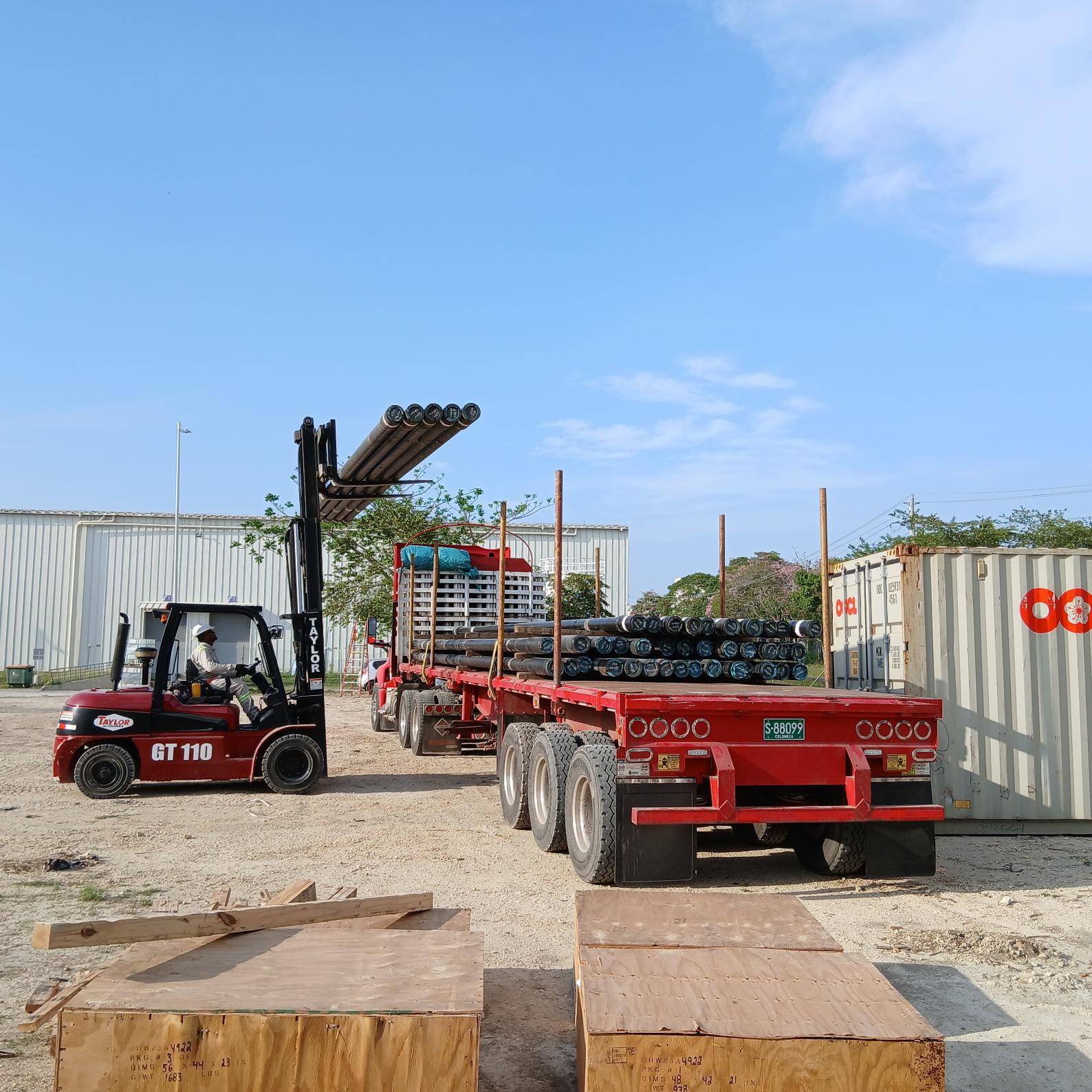
The adoption of Odoo began in mid-2024, amid internal restructuring within the administrative team. After evaluating solutions such as Oracle and SAP, Custom chose Odoo mainly for its cost-benefit ratio and flexibility.
After some initial implementation challenges, the company managed to stabilize the process by relying on a partner with local expertise, which allowed them to adapt the solution to the country’s fiscal and operational requirements.
One of the main uses of Odoo at Custom is near real-time accounting management. Currently, the company has a one-day delay in its accounting, enabling decision-making based on up-to-date information.
In particular, the analytic accounting feature has been key for cost traceability with Odoo. Each project is managed independently, allowing expenses, revenues, and profitability to be measured with precision.
"With a very simple filter, I can see 100% how a project is performing in terms of numbers. That wasn’t possible before."
In purchasing and operations control, Odoo has eliminated manual processes such as email approvals and Excel-based tracking. Today, requests, quotations, and orders are managed within the system, with clear workflows and full traceability.
Activity scheduling within Odoo has also improved internal coordination. Instead of relying on emails, teams receive tasks, comments, and approvals directly in the system, reducing errors and oversights.
From a financial analysis perspective, Odoo allows users to navigate from the balance sheet down to individual journal entries in just a few clicks, facilitating audits and detailed reviews without leaving the system.
In addition, Custom is working to integrate Odoo with its internal software, aiming for even more robust industrial project management. This integration seeks to digitize field processes and eliminate paper use, enabling real-time updates from mobile devices.
Custom’s roadmap with Odoo

At the business level, Custom continues to expand its operations, including developing international projects and strengthening its presence in the United States, where it already has an established company.
At the same time, the company plans to continue deepening its use of Odoo. Among its priorities is implementing new applications, such as expense management, which is especially relevant for operational teams working in the field.
They also aim to fully integrate the financial operations of their U.S. entity into Odoo to achieve a consolidated view of the business.
Custom’s vision is clear: to continue building on a flexible technological foundation that enables them to innovate in processes, the true differentiator in their industry.
Discover how Odoo can help you centralize your processes, improve financial visibility, and optimize the management of complex projects. Contact our team and start your digital transformation today.
